The Hidden Financial Drain of Casual Gambling Habits
Many individuals view gambling as a harmless pastime, failing to recognize the cumulative financial impact it has on their personal budgets. The excitement of the game often overshadows the reality that small, frequent losses add up to significant sums over time. Without a clear understanding of where money is being spent, players can find themselves in debt or struggling to meet basic financial obligations. This lack of awareness creates a cycle where the desire to win back lost funds leads to even greater expenditures, further destabilizing one’s economic health.
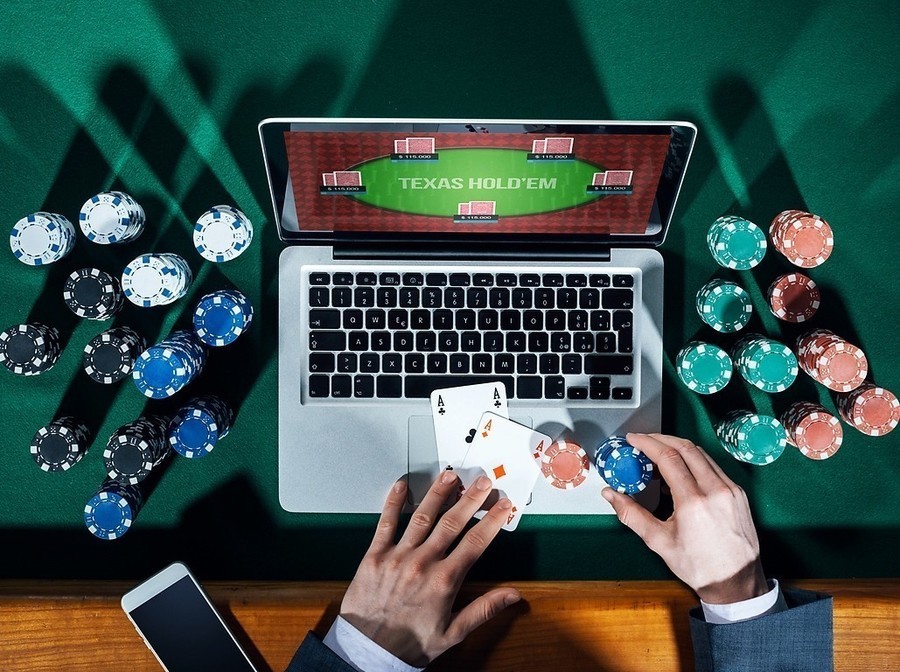
To break this cycle, it is essential to conduct a thorough audit of all gambling-related expenses. This involves tracking every bet, from slot machines to sports wagers, and categorizing them by frequency and cost. By visualizing these outflows, individuals can identify patterns and triggers that lead to excessive spending. Furthermore, comparing these figures against monthly income reveals the true proportion of disposable income dedicated to entertainment, allowing for more informed decisions about future participation.
Establishing a strict budget before engaging with any platform is crucial for long-term sustainability. Setting aside a specific amount that can be comfortably lost without affecting daily life helps maintain control over finances. This approach transforms gambling from a potential financial risk into a manageable form of entertainment. It also encourages players to set stop-loss limits and win goals, ensuring they leave the table when they have reached their predetermined boundaries, thus preserving their overall financial stability.
Strategic Planning for Sustainable Entertainment
Effective financial management requires more than just setting a limit; it demands a strategic approach to how those funds are utilized. Players should prioritize games with lower house edges or higher return-to-player percentages, as these offer better long-term prospects for preserving capital. Understanding the mechanics of each game allows for smarter betting choices, reducing the likelihood of rapid depletion of funds. This analytical mindset shifts the focus from luck to skill, empowering players to make decisions that align with their financial goals.
In addition to game selection, timing and session length play vital roles in managing costs. Shorter, more focused sessions help prevent fatigue-induced poor decision-making, which often leads to impulsive bets. By planning ahead and sticking to a schedule, individuals can enjoy the thrill of gambling without letting it consume their day or their wallet. This disciplined routine ensures that gambling remains a leisure activity rather than a source of stress or financial hardship.
Regularly reviewing and adjusting one’s financial strategy is key to adapting to changing circumstances. Life events such as salary changes or unexpected expenses should prompt a reassessment of gambling budgets. Flexibility within the framework of responsible gaming allows players to remain engaged while protecting their economic well-being. This dynamic approach fosters a healthier relationship with gambling, emphasizing balance and moderation above all else.
Leveraging Promotions to Offset Operational Costs
One of the most effective ways to mitigate gambling expenses is by actively seeking out and utilizing promotional offers provided by various platforms. Bonuses, free spins, and cashback deals can significantly extend playing time and reduce the net cost per session. However, it is important to read the terms and conditions carefully to understand wagering requirements and restrictions. Misunderstanding these details can lead to unintended losses, so clarity and diligence are paramount when claiming rewards.
Integrating these incentives into a broader financial plan can create a buffer against potential losses. For instance, using bonus funds to explore new games or test strategies without risking personal capital is a prudent tactic. This not only enhances the gaming experience but also provides valuable insights into different offerings without additional financial burden. Smart utilization of promotions turns marketing tools into tangible assets that support responsible play.
Moreover, loyalty programs often provide exclusive benefits that can further offset costs over time. Accumulating points through regular activity can lead to perks such as reduced fees, faster withdrawals, or personalized gifts. These rewards add value beyond the immediate gameplay, creating a sense of appreciation and engagement that justifies continued participation within safe limits. Recognizing and leveraging these opportunities maximizes the return on investment for those who choose to gamble responsibly.
Diversifying Income Sources to Support Leisure Activities
Relying solely on existing savings or discretionary income to fund gambling habits can be risky, especially during periods of economic uncertainty. Diversifying income streams provides a more robust foundation for sustaining leisure activities without compromising financial security. Whether through side hustles, freelance work, or investment returns, having multiple sources of revenue creates a safety net that protects against unforeseen downturns. This diversification ensures that gambling remains a fun diversion rather than a financial necessity.
Investing in skills or assets that generate passive income can also contribute to a healthier financial ecosystem. Time spent learning new trades or developing online businesses yields dividends that can be allocated toward entertainment budgets. This proactive stance reduces the pressure to “win big” to cover living expenses, promoting a more relaxed and enjoyable approach to gaming. It reinforces the idea that gambling should complement, not compete with, one’s primary means of livelihood.
Furthermore, maintaining an emergency fund separate from gambling accounts adds an extra layer of protection. Knowing that there is a reserve for unexpected costs alleviates anxiety and prevents the temptation to dip into gambling funds during tough times. This separation of finances promotes mental clarity and emotional stability, allowing players to engage in games with confidence and composure. Ultimately, a diversified income strategy supports a balanced lifestyle where leisure and responsibility coexist harmoniously.

Exploring Temuan War for Strategic Insights and Community Engagement
For those interested in deepening their understanding of strategic thinking and community dynamics, exploring resources like DK88 malaysia can provide valuable perspectives. While primarily focused on war findings and military history, the analytical frameworks discussed can offer unique parallels to decision-making processes in competitive environments. Engaging with such content encourages critical thinking and strategic planning, skills that are transferable to various aspects of life, including financial management and risk assessment.
The platform serves as a hub for discovering insightful articles and news updates related to conflict analysis and defense strategies. By immersing oneself in these topics, readers can broaden their horizons and develop a more nuanced view of complex systems. This intellectual engagement complements the discipline required for responsible gambling, fostering a mindset that values knowledge and foresight over impulsive actions. It represents a holistic approach to personal development, integrating leisure with continuous learning.
Ultimately, combining financial prudence with intellectual curiosity creates a well-rounded individual capable of navigating both digital entertainment and real-world challenges. The insights gained from studying historical conflicts and strategic outcomes can inform better choices in everyday scenarios, including how one approaches risk and reward. Embracing this multifaceted perspective ensures that all activities, whether gaming or reading, contribute positively to personal growth and societal contribution.
